
Botox: Could It Be a New Treatment for Depression?
When most people think of Botox, the first thought is smoother skin and fewer wrinkles. But over the past few years, researchers have been uncovering another fascinating possibility: that Botox might also help ease depression. This idea may sound unusual at first, but when we look at the science and patient experiences, it begins to make a lot of sense.
Botulinum toxin type A, known as Botox, has been safely used for decades. While many people associate it with reducing frown lines and crow’s feet, it also has important medical applications, from treating migraines and muscle spasms to managing excessive sweating. The idea that it could influence mood comes from something called the facial feedback hypothesis. This theory suggests that the expressions we make on our face send signals back to our brain, shaping the way we feel. For instance, when we frown, our brain receives reinforcement of negative emotion. By softening that frown, something Botox does very effectively in the glabellar area between the eyebrows; the brain may receive fewer of these “negative” signals, which could help improve mood.
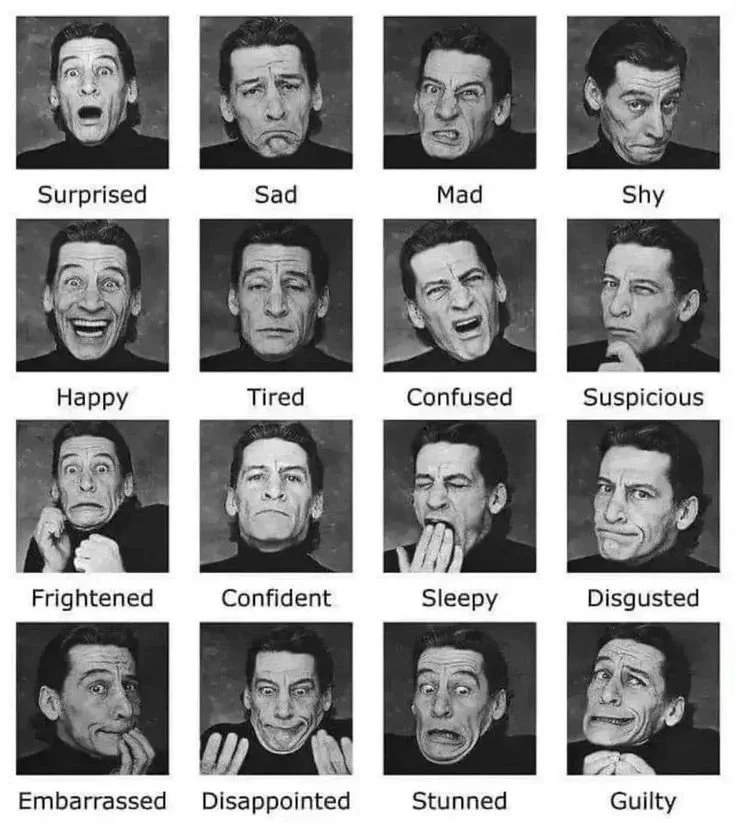
Clinical research has begun to support this connection. Small trials have shown that patients treated with Botox in the frown line region not only looked more relaxed but also reported feeling an improvement in depressive symptoms. Some described a lift in mood that lasted beyond the cosmetic effect, suggesting a deeper impact than simply feeling better about their appearance. While these results are encouraging, the scientific community is still cautious. The studies so far have been relatively small, and more large-scale research is needed before Botox can be considered a recognised treatment for depression. For now, it remains an exciting area of investigation rather than an approved therapy. The injection protocol is precise: about 29 units of Botox are administered across five glabellar points, with slight dosage adjustments between genders. In some protocols, minor lower-face injections have been explored to counteract expressions of sadness, though more research is needed in that area.
If future studies confirm these benefits, Botox could offer a unique alternative for individuals who do not respond well to traditional antidepressants. Unlike medication, Botox does not circulate throughout the body, which means fewer systemic side effects. Its potential role would likely not be as a replacement for mental health support or therapy, but rather as a complementary option to enhance wellbeing.
As an aesthetic practitioner, I find this research both hopeful and inspiring. A treatment that many view purely as cosmetic may one day play a role in supporting emotional health. It also reminds us of how closely linked our outward appearance and inner state of mind can be. While we must wait for more scientific evidence before drawing firm conclusions, it is reassuring to see that the field of aesthetics continues to expand in ways that touch not only beauty but also overall quality of life.
At House of Genesis, I believe in staying up to date with the latest science to provide safe and ethical care. Even though Botox for depression is still experimental, conversations like this are important because they highlight how aesthetic medicine can go beyond the surface and, perhaps one day, become part of a broader approach to mental wellbeing.
-Stay tuned to our blog for more insights into the ever-evolving world of aesthetics and wellness
